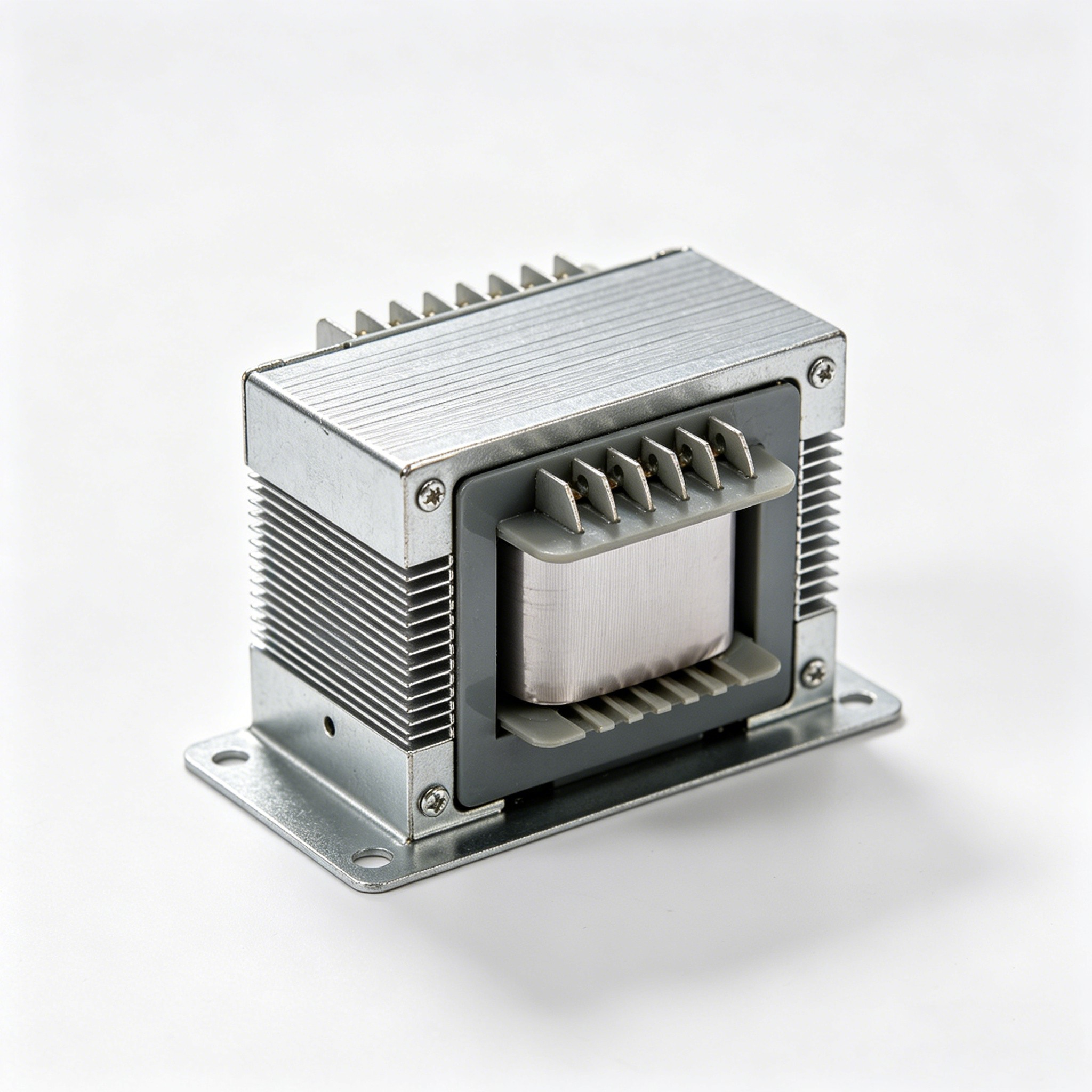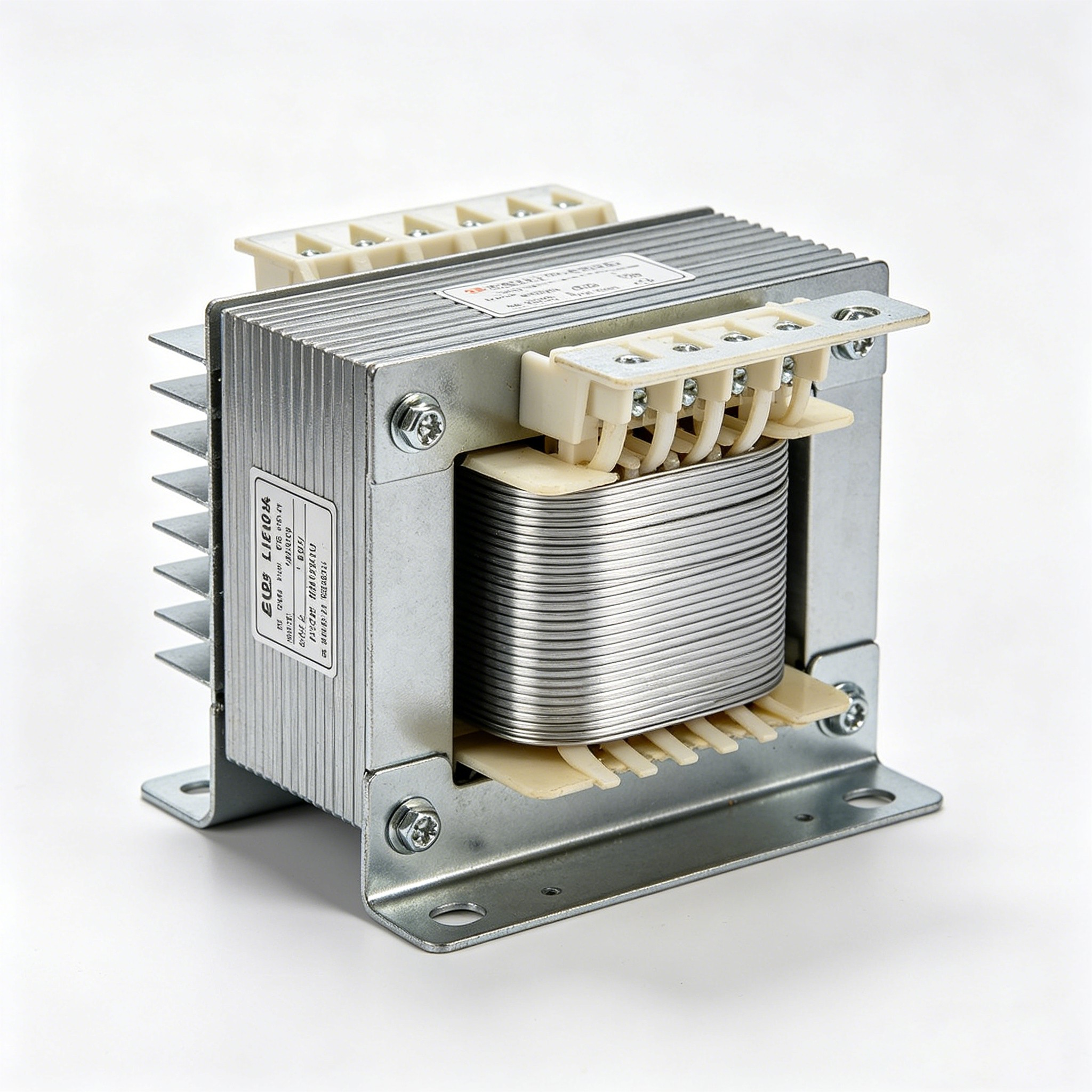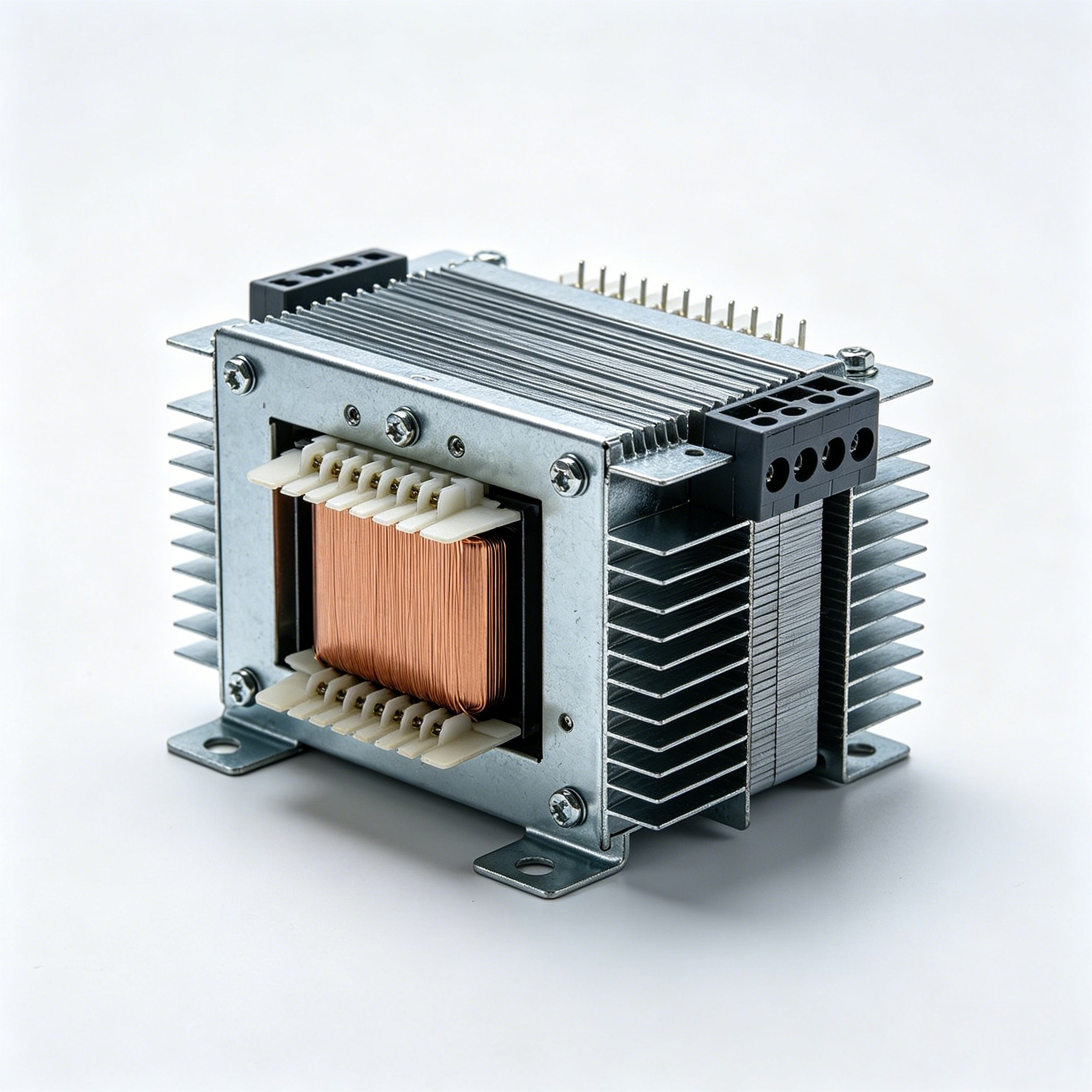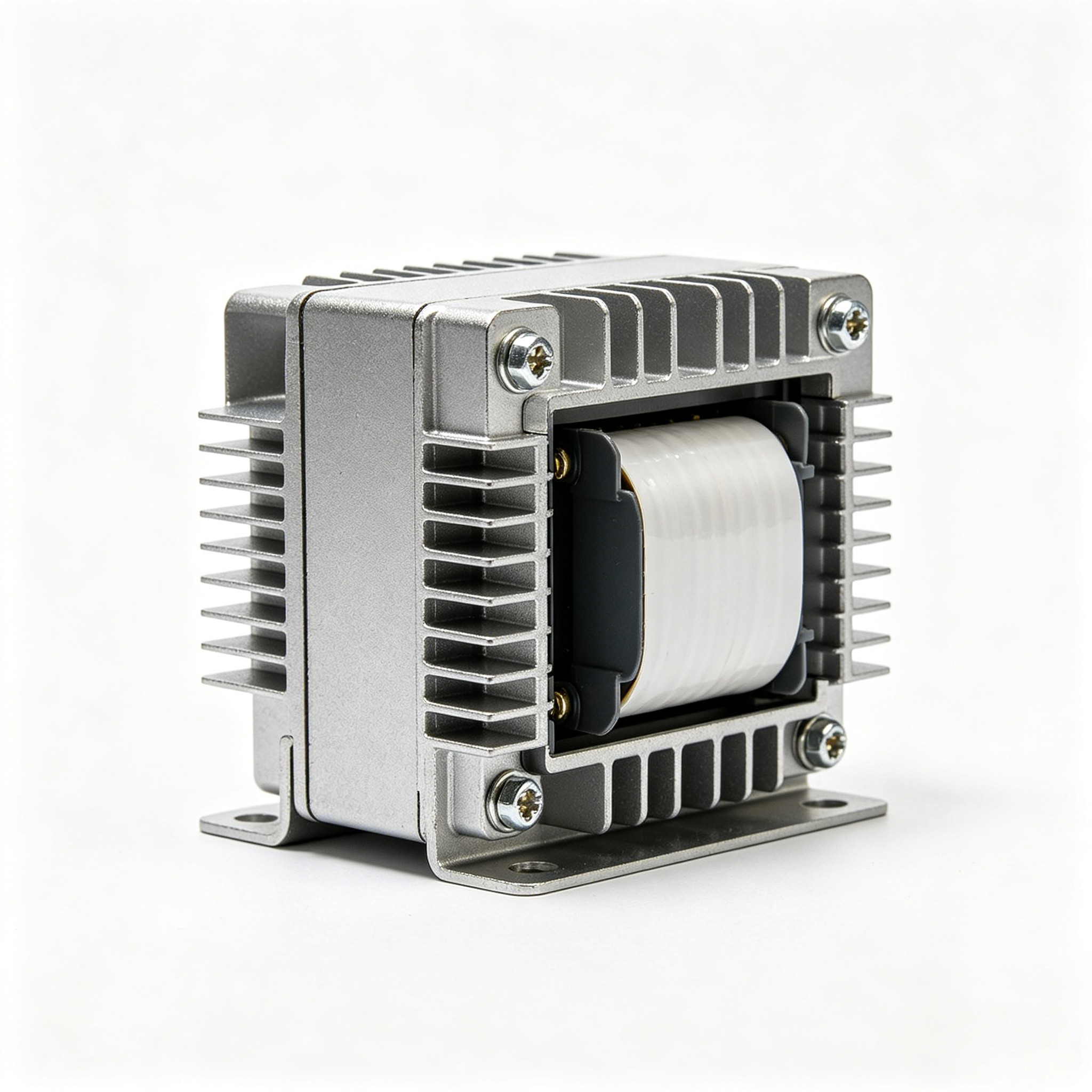
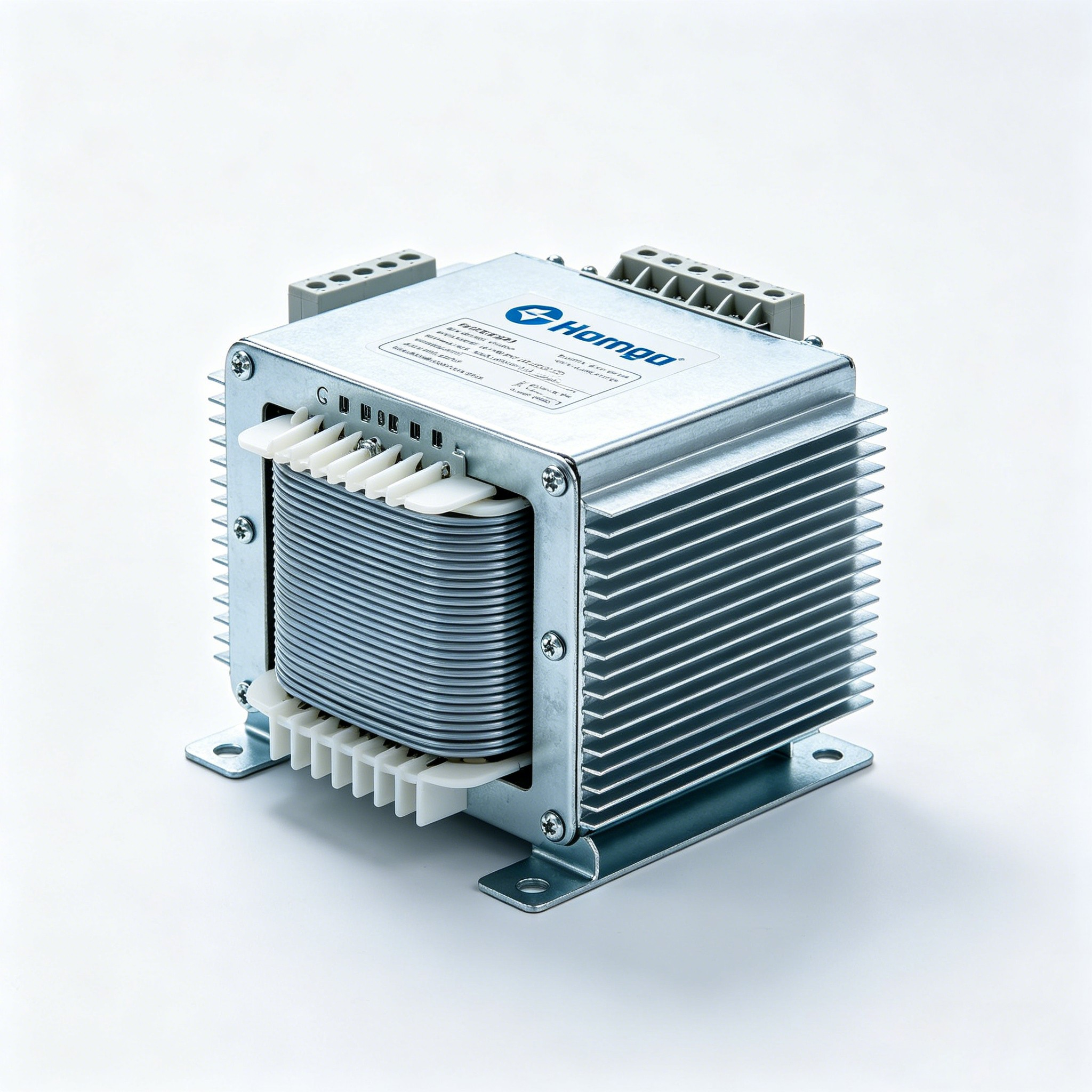
An amorphous alloy transformer is a power transformer that uses amorphous alloy material as its core, belonging to the category of energy-saving distribution equipment. Different from traditional silicon steel core transformers, its core advantage lies in energy consumption control, making it suitable for various distribution scenarios with energy-saving requirements. It is one of the commonly used devices for energy saving and consumption reduction in power systems.
I. Core Structure
- Core: Made of amorphous alloy material, with a thickness far thinner than traditional silicon steel sheets. It features high magnetic permeability, high electrical resistivity, and low coercivity. It is the core component for achieving energy savings and effectively reduces no-load losses.
- Windings: Wound from copper or aluminum wires, divided into high-voltage and low-voltage windings. The winding structure is similar to that of ordinary transformers, designed according to capacity and voltage levels to ensure the stability of electrical energy conversion.
- Insulation Components: Appropriate insulation materials are selected to wrap the windings and relevant parts of the core. Insulation isolation is provided between high and low voltage windings to ensure equipment insulation safety, adapting to different voltage level requirements.
- Tank and Cooling (Oil-Immersed Type): For oil-immersed amorphous alloy transformers, a sealed tank and cooling components are equipped, using insulating oil for insulation and heat dissipation. Dry-type amorphous alloy transformers adopt air-cooling related structures.
- Protective Accessories: Equipped with conservators (for oil-immersed type), breathers, temperature monitoring devices, insulating bushings, etc. Some can be equipped with intelligent monitoring components as needed to ensure stable equipment operation.
II. Working Principle
The core principle follows electromagnetic induction, which is essentially the same as ordinary power transformers: When alternating current is applied to the primary winding, it generates an alternating magnetic flux. This flux is coupled and transmitted to the secondary winding through the amorphous alloy core, inducing a voltage level that meets the usage requirements, thereby achieving step-up or step-down of electrical energy. The special material properties of the amorphous alloy core can significantly reduce hysteresis losses and eddy current losses in the alternating magnetic field, thus lowering the no-load energy consumption of the equipment and achieving energy-saving effects.
III. Main Features
- Advantages: Low no-load loss. Compared to traditional silicon steel transformers, the no-load loss can be significantly reduced, resulting in obvious energy-saving effects. Good operational stability and a long design life make it suitable for long-term continuous operation scenarios. Wide adaptability range; it can be designed as oil-immersed or dry-type according to requirements, meeting installation and usage needs in different scenarios.
- Precautions: The amorphous alloy core material is relatively brittle. Collisions and vibrations must be avoided during transportation and installation to prevent core damage. During operation, regular checks on oil quality (for oil-immersed type), insulation performance, and heat dissipation conditions are necessary to ensure normal equipment operation. The appropriate capacity should be selected based on the actual distribution load to avoid mismatches that could affect energy-saving performance and equipment lifespan.
IV. Common Classifications
- By Cooling Method: Oil-immersed amorphous alloy transformers and dry-type amorphous alloy transformers, suitable for outdoor and indoor scenarios respectively.
- By Capacity Level: Small amorphous alloy transformers (tens of kVA) and medium amorphous alloy transformers (hundreds of kVA), covering terminal distribution and small to medium industrial distribution needs.
- By Application: Amorphous alloy distribution transformers (used in urban and rural distribution networks, enterprise terminal distribution) and amorphous alloy special transformers (suitable for specific scenarios with special energy-saving requirements).
V. Application Scenarios
Suitable for scenarios such as urban and rural distribution network renovation, residential community power distribution, industrial and commercial enterprise power distribution, new energy power station supporting facilities, and data center power distribution. It is particularly suitable for distribution scenarios that require energy saving and consumption reduction and are in a light-load or no-load operation state for long periods. It can effectively reduce long-term operational energy consumption and align with the development needs of green energy conservation.
Phone: 4000-828-500
Email:kefu@wstx.com.cn
Fax:0616-83723555
Address: 6th Floor, Building C-2-B, Xuzhou Software Park, Quanshan District, Xuzhou City, Jiangsu Province, China