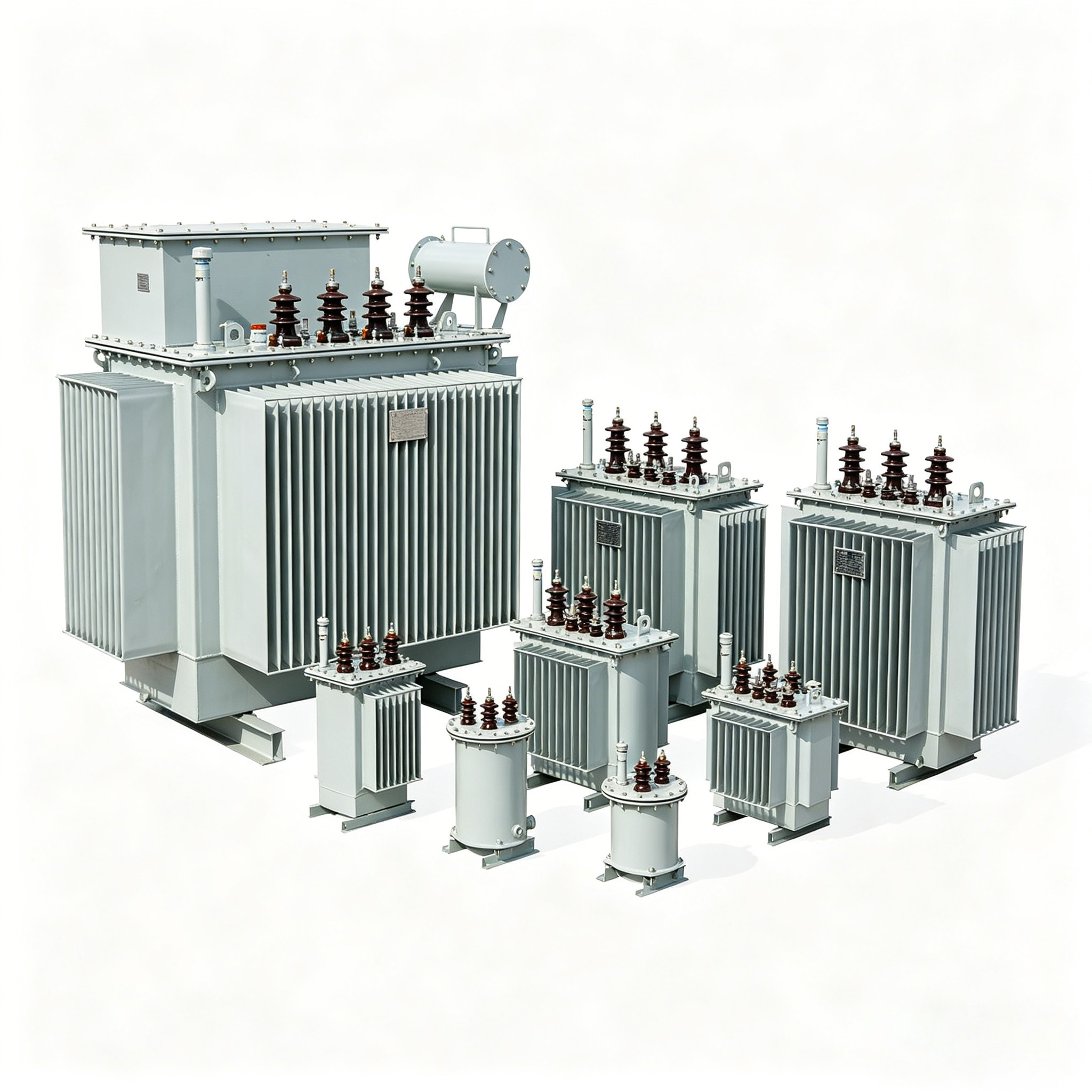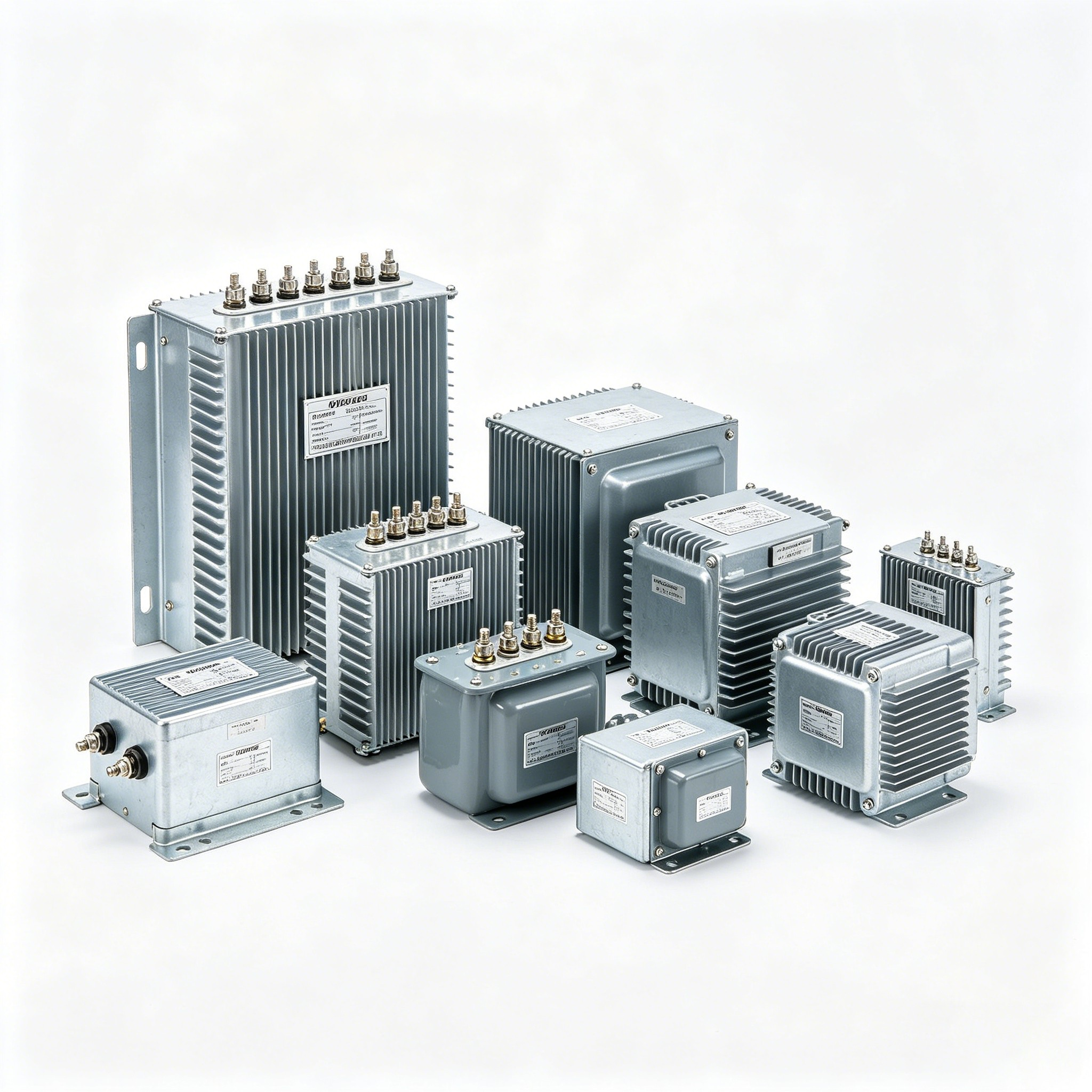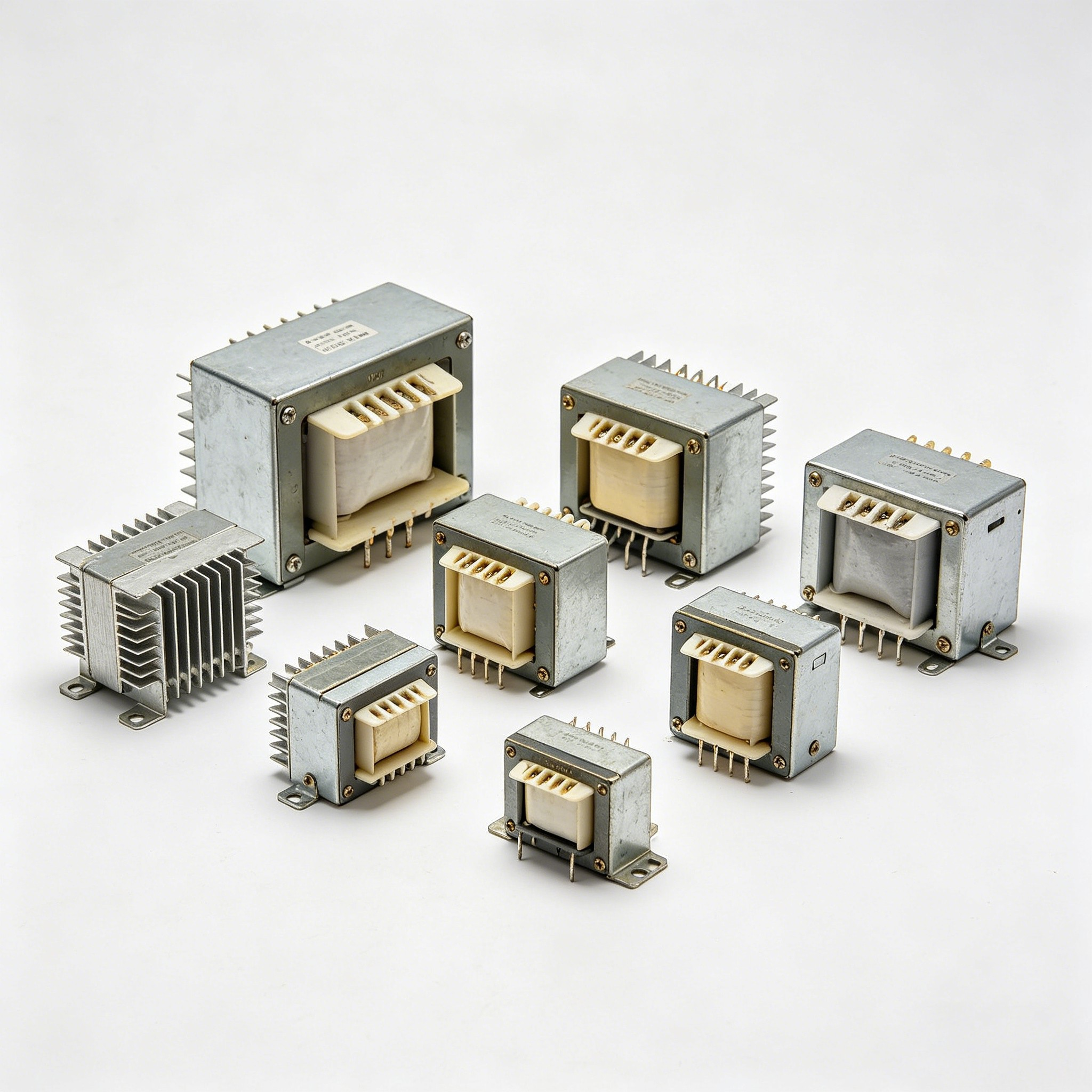
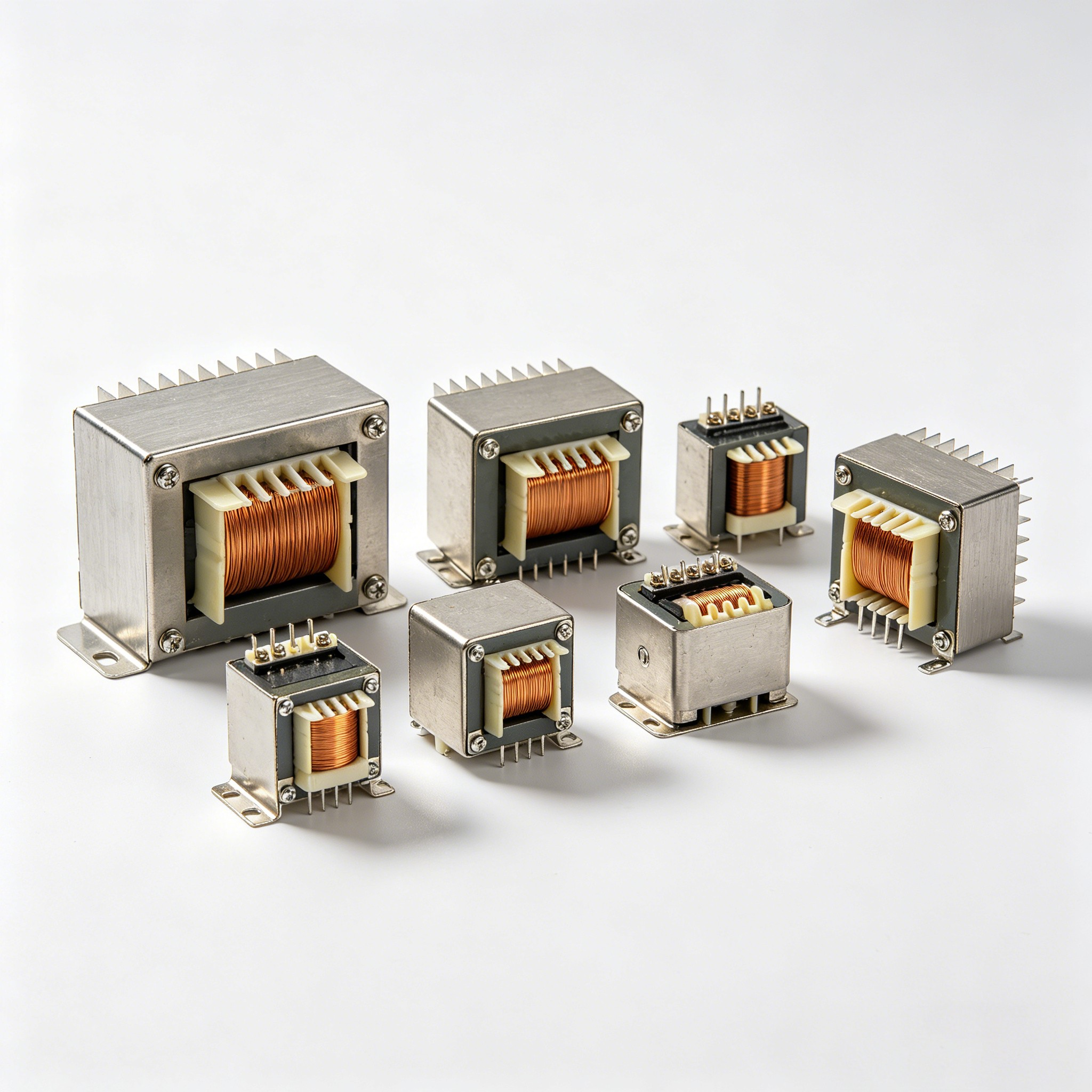
A special transformer is a transformer designed and manufactured specifically for particular application scenarios, meeting special structural, electrical performance, or environmental adaptation requirements. Different from ordinary power transmission and distribution transformers, its design and manufacturing must be tailored to the specific needs of the scenario, adapting to the power distribution requirements of various special industries and environments. It is a crucial piece of equipment for power supply in specialized fields.
I. Core Structure
- Core: Depending on the application scenario requirements, it can be made by laminating magnetically conductive materials such as silicon steel sheets or amorphous alloy, forming a closed magnetic circuit that balances loss control and structural strength, adapting to the performance requirements of different scenarios.
- Windings: Wound with copper or aluminum wire; in some scenarios, special insulating materials are used for wrapping. The winding structure can be customized according to voltage and power requirements to meet special electrical performance demands.
- Insulation Components: Appropriate insulating materials are selected based on the operating environment and voltage level. Some special transformers adopt specialized insulation processes to enhance insulation performance, adapting to extreme environments or special voltage requirements.
- Enclosure & Protection: Depending on the application scenario, the enclosure can feature special designs such as corrosion resistance, explosion-proof, waterproof, and vibration resistance. Some scenarios are equipped with dedicated protective structures to shield internal components from external environmental influences.
- Auxiliary Components: Depending on requirements, dedicated cooling systems, monitoring devices, and protective components are equipped to adapt to the operational needs of special scenarios, ensuring stable equipment operation.
II. Working Principle
The core principle follows electromagnetic induction, essentially the same as ordinary transformers: When an alternating current is applied to the primary winding, it generates an alternating magnetic flux, which is coupled through the core to the secondary winding, inducing a voltage level that meets the requirements, thereby achieving electrical energy conversion and transmission. Simultaneously, combined with special structural designs and auxiliary components, it adapts to the electrical performance and environmental adaptation requirements of special scenarios, ensuring stable and safe energy conversion and supply under specific conditions.
III. Main Features
- Advantages: High specificity, allowing for customized design based on the voltage, power, and environmental requirements of specific scenarios; good adaptability, capable of operating in special environments (e.g., extreme cold, high altitude, corrosive, explosion-proof) or meeting special electrical performance requirements that ordinary transformers cannot satisfy; good operational stability, meeting the continuous operation demands of special industries.
- Precautions: High degree of customization requires clear definition of requirements based on specific application scenarios to avoid mismatch with actual use; some special transformers have complex structures, and their operation and maintenance must follow dedicated specifications, with regular inspection of the operational status of specialized components; products used in certain special scenarios require regular inspection of protective performance to ensure safe equipment operation.
IV. Common Classifications
- By Application Field: Aerospace transformers, marine transformers, nuclear power plant transformers, medical equipment transformers, mining transformers, traction transformers, etc., adapting to the needs of different specialized industries.
- By Performance Requirement: Rectifier transformers, furnace transformers, isolation transformers, lightning protection transformers, explosion-proof transformers, etc., meeting different electrical performance and safety requirements.
- By Environmental Adaptation: High-altitude transformers, extreme cold transformers, corrosion-resistant transformers, dustproof and waterproof transformers, etc., adapting to use in various extreme environments.
V. Application Scenarios
Applicable to specialized fields such as aerospace, marine, nuclear power plants, medical equipment, mining, metallurgy, rail transit, chemical industry, and extreme environment operations. They are primarily used to meet the special requirements for electrical energy conversion and transmission in these fields, providing power support for the normal operation of special industries. They are particularly suitable for scenarios involving special environments or special electrical performance requirements that ordinary transformers cannot accommodate.
Phone: 4000-828-500
Email:kefu@wstx.com.cn
Fax:0616-83723555
Address: 6th Floor, Building C-2-B, Xuzhou Software Park, Quanshan District, Xuzhou City, Jiangsu Province, China